



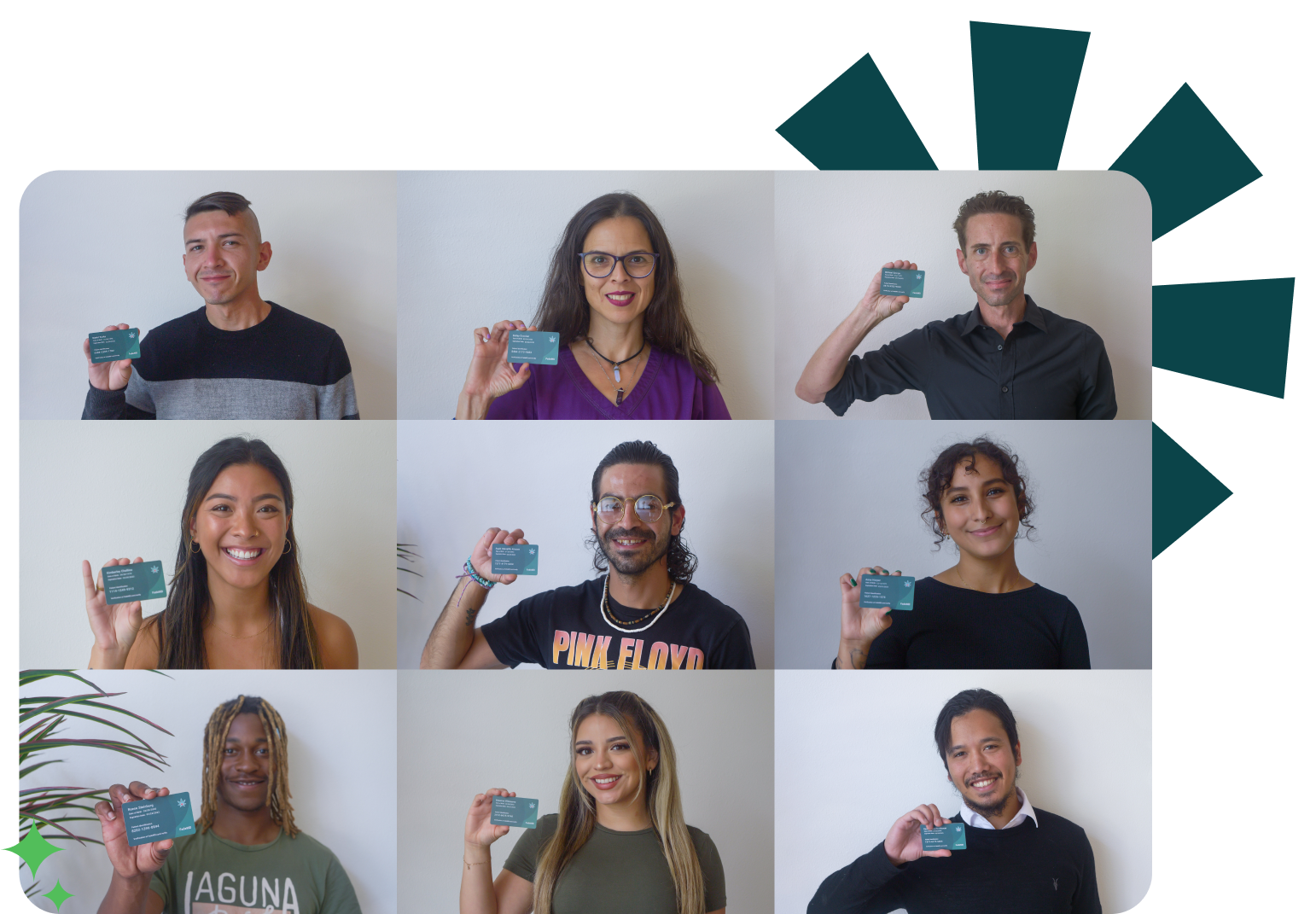
Trusted by 100,000+ patients around the USA









FadeMD simplifies the process of getting a medical marijuana card in your State. Register and speak with a medical professional today.

A licensed medical professionals will review your application and provide a cannabis consultation.

Upon approval, your medical professional will follow State guidelines to certify you for your medical marijuana card.

Receive full dispensary access, renewal reminders, and ongoing treatment options from your provider.


%201.svg)




Medical patients can be 18 years or older for dispensary access.

Enjoy access to medical marijuana products which are required to be tested for safety.

Save up to 25% on medical marijuana taxes in California.

A medical marijuana card in California protects your employment and other rights.


FadeMD is the leader in matching patients with medical marijuana professionals. Read patient experiences with FadeMD here.

California pioneered cannabis legalization by passing a landmark legislation in 1996, becoming the first state to do so. Twenty-four years later, recreational use was legalized, allowing residents aged 21 and older to benefit from the plant's properties. While the state permits both medicinal and recreational use, patients holding a medical cannabis card can possess larger quantities of the plant and are exempt from cannabis tax, providing significant advantages for those using it for medical purposes. Having a medical cannabis license due to a disorder also gives further protection against arrest and privacy. These benefits are particularly crucial for patients already dealing with conditions that warrant medicinal cannabis use.
Starting in 2024, California employers are prohibited from inquiring about workers’ off-duty cannabis use. Governor Gavin Newsom signed bills AB 2188 and SB 700 to update cannabis-related laws. AB 2188 prohibits the use of marijuana test results in employment decisions, while SB 700 bars employers from asking job applicants about past cannabis use. While exceptions exist, these changes have sparked discussions on workplace safety and liability.
Based on California Proposition 215, also known as the Compassionate Use Act, disorders and conditions that make a resident eligible for the program include:
Caregivers need to apply for a medical cannabis license similar to the process for patients they assist. To qualify, they must demonstrate California residency with a state license or identification card, reside in the same county as the patient, and consent to being photographed. Additionally, caregivers must be a parent or guardian if the patient is under 18, consistently oversee the patient's well-being, provide assistance with administration if needed, and cannot be the patient's primary care physician.
To renew your California medical marijuana card through FadeMD, schedule a renewal appointment with one of our physicians. They will verify your need for medical cannabis and assist with the renewal process. We will remind you when your renewal is due, or you can contact our Customer Service Department for help and a renewal discount.
The card is valid for one year.
California adults 21 years of age and older with a valid, government-issued ID can purchase and possess no more than:
California's medical marijuana program allows patients and primary caregivers to purchase and possess 8 ounces of medical marijuana per day.
The Justice Department proposed a new rule to reclassify marijuana as a Schedule III drug, which would ease federal restrictions on cannabis if approved. This reclassification would not legalize or decriminalize marijuana nationwide but would place it on the same regulatory level as ketamine and anabolic steroids. Currently, marijuana is classified as a Schedule I drug, meaning it has "no currently accepted medical use and a high potential for abuse." The proposed change would recognize marijuana as having "a moderate to low potential for physical and psychological dependence."
The proposal initiates a months-long comment and administrative period before any changes take effect. This follows President Biden's 2022 request for the Department of Health and Human Services (HHS) and the Justice Department to review marijuana's classification. HHS found credible scientific evidence supporting marijuana's medical use. The notice of proposed rulemaking reflects the attorney general's agreement with HHS's recommendation. President Biden hailed the move as "monumental," emphasizing marijuana policy as a priority of his administration, which has also worked to pardon those convicted of simple possession.


Our customer support team is on standby to help you out.